Skip to content

Table of Contents
If you have noticed persistent redness, tiny visible veins, or areas of discoloration that do not seem to fade, you are not imagining it. Vascular skin changes can become more noticeable with age, sun exposure, genetics, and everyday triggers, and they often leave people wondering whether the issue is cosmetic, medical, or a little of both.
At MilfordMD Cosmetic Dermatology Surgery & Laser Center, we evaluate vascular concerns based on the type of blood vessel involved, where it appears, and how it affects your skin. We treat a range of vascular concerns with options that may include VBeam®, laser vein treatment, sclerotherapy, and consultation-based planning for vascular malformations.
What are vascular skin conditions, and how are they treated?
Vascular skin conditions involve visible or abnormal blood vessels in or under the skin, which can show up as persistent redness, broken capillaries, facial veins, rosacea-related flushing, spider veins, or deeper vascular lesions. Treatment depends on the type of vessel, where it appears, and how extensive it is, which is why options may include VBeam®, laser vein treatment, sclerotherapy, injectables, or surgical evaluation, depending on the condition.
What Are Vascular Skin Conditions?
Vascular skin conditions involve blood vessels in or under the skin. When those vessels enlarge, become more visible, stay persistently inflamed, or develop abnormally, they can create redness, flushing, broken capillaries, visible facial veins, leg veins, or deeper vascular lesions.
This category is broader than many people realize. It can include:
- rosacea-related redness
- spider veins
- facial veins
- periocular veins
- leg veins
- vascular malformations
Some of these concerns are mostly aesthetic, while others benefit from closer medical evaluation because appearance alone does not always tell the full story. In some cases, vascular malformations may require an in-person consultation so we can determine whether injectable treatment, laser treatment, or surgical removal is the right fit.
Common Types Adults May Experience
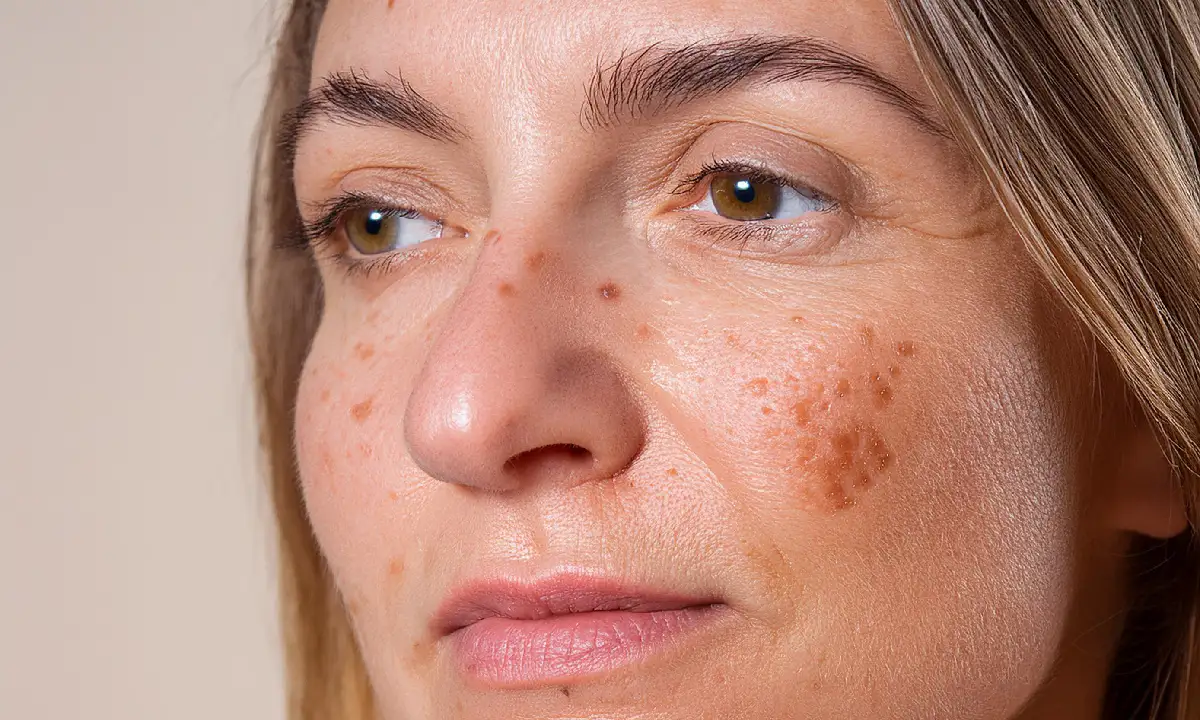
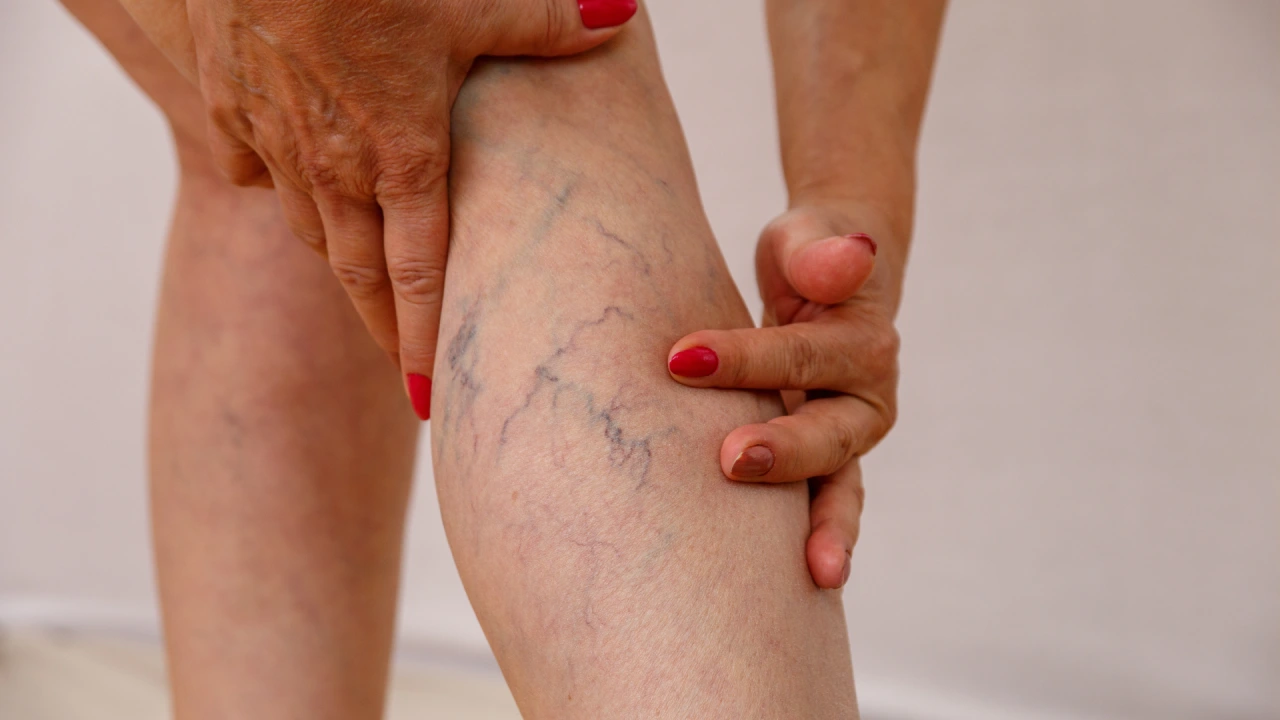
Adults often deal with vascular concerns that show up in different ways depending on the area of the body. On the face, this might look like persistent redness, flushing, or small visible vessels near the cheeks, nose, or around the eyes. On the legs, it may appear as branching veins, spider veins, or larger visible veins.
Some of the more common concerns we treat include facial veins and rosacea, periocular veins, leg veins, spider and reticular veins, and vascular malformations. The location matters because spider veins on face treatment is not approached the same way as leg vein treatment. Facial vessels often respond well to laser-based care, while leg veins may call for options such as laser treatment for vascular skin conditions or sclerotherapy, depending on their size and depth.
What Causes Vascular Skin Changes In Adults?
The causes of vascular skin conditions are not always the same from person to person. Genetics often play a big role. Some people are simply more prone to visible blood vessels, rosacea, or vein-related changes. Aging also matters because skin becomes thinner over time, which can make underlying vessels easier to see.
Other factors can make vascular issues more noticeable or more active, including:
- sun exposure
- hormonal shifts
- skin sensitivity
- circulation-related changes
- repeated flushing triggers
This is often why people start asking what causes visible blood vessels on skin after years of not noticing a problem. In some cases, the condition has been there for a long time but becomes more obvious in adulthood. In others, everyday triggers such as heat, alcohol, exercise, spicy foods, or irritation make redness worse even when they are not the original cause.
Symptoms And Signs To Watch For
The most obvious vascular skin conditions symptoms are visible ones. These may include constant redness, thread veins, broken capillaries, flushing, blue or purple veins, or patches of uneven red or violet discoloration. Some people also notice veins around the nose, cheeks, or under-eye area that become harder to cover with makeup or skincare.
Symptoms can go beyond appearance. Depending on the condition, people may also feel warmth, tenderness, swelling, heaviness, or skin sensitivity. Rosacea-related vascular changes may flare and calm down, while other concerns remain steadily visible. That is one reason self-diagnosis can be frustrating. Two areas of redness may look similar in the mirror but have very different causes and may respond to very different treatments.
How Vascular Conditions Are Diagnosed
We start by looking at the color, shape, location, and history of the vessels or redness, along with when the problem started and what seems to make it worse. Facial redness, leg veins, and vascular malformations may all involve blood vessels, but they are not the same issue.
During an evaluation, we may consider:
- whether the concern is facial or leg-related
- whether it appears superficial or deeper
- how long it has been present
- what seems to trigger or worsen it
- whether laser treatment, injectables, or surgery may be the better fit
Not every treatment works for every vascular concern. Some vascular malformations need an in-person consultation to decide whether laser treatment, injectables, or surgical removal makes the most sense. We first identify the vessel pattern, then choose the treatment that fits your skin.
Treatment Options For Vascular Skin Conditions
When people search for vascular skin conditions treatment in the Tri-State Area PA, NY, NJ, they are usually trying to figure out what can realistically help. The answer depends on the type of vessel, the location, and how extensive the condition is.
We provide treatment of facial redness, rosacea, telangiectasia, spider veins, and broken capillaries with lasers, including VBeam®, Gentle Yag, and Versapulse HELP-G, along with sclerotherapy using Asclera and ambulatory phlebectomy for vein removal. For some vascular malformations, treatment may involve injectables, laser treatment, or surgery depending on the nature of the condition and what we see during your evaluation.
A few examples make that easier to understand:
- How to treat facial veins often depends on how small and superficial the vessels are.
- Spider veins on face treatment may differ from treatment for leg veins because facial skin and vessel patterns are different.
- People looking for vascular lesions treatment near them may need anything from a laser-based approach to surgical evaluation if the lesion is deeper or structurally different.
What Results Can Vary From Person To Person
Results vary based on the condition being treated. A small cluster of facial vessels is different from rosacea redness or a vascular malformation. Some concerns improve faster, while others may need a series of treatments.
It is also important to remember that some people are naturally more prone to vascular issues. Triggers, sun exposure, and skin sensitivity can all affect recurrence over time. Realistic treatment planning focuses on improvement and choosing the right procedure for the condition.
When Your Skin Keeps Looking Red Or Veiny, It Is Worth Getting Answers
It can be frustrating when a concern seems minor at first but keeps drawing your attention every time you look in the mirror. Whether you are dealing with facial redness, broken capillaries, visible veins, or a more complex vascular issue, our staff can evaluate what is causing it and recommend a treatment plan that fits your skin. Book a consultation for vascular skin treatment in the Tri State Area, PA, NY, NJ, today!