Skip to content

Table of Contents
Actinic keratosis can start as something that feels easy to dismiss: a rough spot, a dry patch, a flaky area, or a place on your skin that keeps peeling and coming back. It may not hurt. It may not look dramatic. Still, when a spot is linked to years of sun exposure, it deserves a closer look.
At MilfordMD Cosmetic Dermatology Surgery & Laser Center, Actinic Keratosis Treatment in PA, NJ, NY, and the Tri-State Area begins with proper diagnosis. Blu-U light therapy may be part of treatment, but it is only one option. Depending on your skin, the number of lesions, the depth of sun damage, and the areas involved, treatment may also include Photodynamic Therapy, aminolevulinic acid HCl such as Levulan Kerastick, Omnilux Light Therapy, Fraxel Thulium Laser, topical medications, cryotherapy, biopsy, or a combination plan.
How Are Actinic Keratoses Diagnosed And Treated?
Actinic keratoses are diagnosed through a professional skin evaluation, and a biopsy may be recommended if a spot looks suspicious or does not have a clear diagnosis. Treatment depends on the number, location, thickness, and behavior of the lesions. Options may include cryotherapy, topical medication, Photodynamic Therapy with aminolevulinic acid such as Levulan Kerastick, Blu-U Blue Light, Omnilux Light Therapy, Fraxel Thulium Laser, or a combination approach designed to treat both visible lesions and broader areas of sun-damaged skin.
What Actinic Keratosis Means For Your Skin
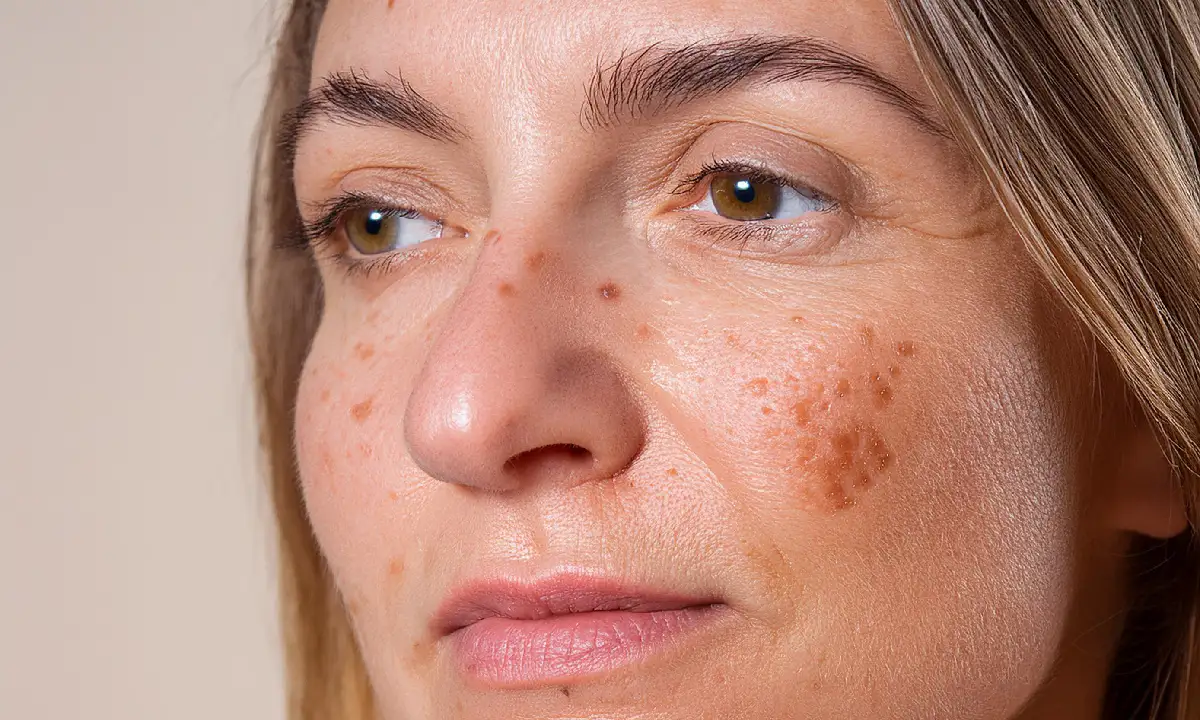
Actinic keratosis, often shortened to AK, is a sun-related skin condition that develops after long-term exposure to ultraviolet light. It commonly appears on areas that receive the most sun, including the face, scalp, ears, neck, chest, forearms, and backs of the hands.
These spots are considered precancerous because some can progress into squamous cell carcinoma over time. Not every AK becomes skin cancer, but it is not possible to predict which ones will change. An AK may feel rough, gritty, scaly, tender, dry, or crusted, often with a sandpaper-like texture. The color can vary from pink or red to tan, brown, skin-colored, or slightly white.
Why Diagnosis Comes First
Before choosing any treatment, the spot needs to be properly evaluated. A rough patch can be actinic keratosis, but it can also resemble dry skin, irritation, eczema, psoriasis, seborrheic keratosis, superficial skin cancer, or another condition.
During an evaluation at MilfordMD Cosmetic Dermatology Surgery & Laser Center, our staff may assess the lesion’s size, texture, color, borders, thickness, location, and behavior, along with your history of sun exposure. If a lesion appears suspicious or the diagnosis is unclear, a biopsy may be recommended to determine whether the spot is an actinic keratosis, skin cancer, or another type of skin change.
Signs That A Spot Should Be Checked
Actinic keratosis does not always look alarming. That is part of what makes evaluation so valuable. You should schedule a skin check if you notice a spot that:
- Feels rough, scaly, crusted, or gritty
- Keeps peeling and returning
- Becomes tender, irritated, thickened, or raised
- Bleeds, cracks, or does not heal
- Appears on a heavily sun-exposed area
- Changes in size, color, or texture
A moisturizer may temporarily soften dry skin, but it will not diagnose or treat precancerous cells. If a patch keeps coming back in the same place, it is safer to have it examined.
Treatment Options For Actinic Keratosis
Actinic Keratosis Treatment in PA, NJ, NY, and the Tri-State Area depends on the number, location, and extent of the lesions. Some patients have a single AK, while others have widespread sun damage that requires field treatment.
At MilfordMD, treatment may include one or more of the following options.
1. Photodynamic Therapy With Levulan Kerastick
Photodynamic Therapy (PDT) uses a photosensitizing medication and a specific light source to target abnormal sun-damaged cells.
MilfordMD may use aminolevulinic acid HCl (Levulan Kerastick), which is applied to the treatment area and absorbed by abnormal cells. Light activation then triggers a reaction that destroys targeted precancerous cells.
PDT is often used when multiple AKs or larger areas of sun damage need treatment.
2. Blu-U Blue Light Photodynamic Therapy
Blu-U is a blue light device used during PDT to activate Levulan Kerastick. It is not a laser.
Blu-U may be used to treat minimally to moderately thick actinic keratoses on the face, scalp, and other sun-exposed areas. During treatment, the medication is applied, allowed to absorb, and then activated with blue light.
Temporary sensations such as warmth, tingling, stinging, or burning may occur during treatment.
3. Omnilux Light Therapy For Actinic Keratosis
Omnilux is another light-based option used as part of Photodynamic Therapy. It activates the photosensitizing medication after application and may be considered for larger treatment areas or specific AK patterns.
Your provider will determine whether Blu-U, Omnilux, or another light source is most appropriate for your treatment plan.
4. Fraxel Thulium Laser For Sun Damage And AK
Fraxel Thulium Laser may be used to treat actinic keratoses and broader areas of sun-damaged skin. It is often used for concerns such as photodamage, pigmentation, and rough skin texture.
Unlike Blu-U and Omnilux, which activate medication during PDT, Fraxel Thulium is a fractional laser that treats damaged skin directly. It may be recommended when field treatment is needed or as part of a combination approach.
Combination And Other Treatments For Actinic Keratosis
Some patients benefit from a combination approach, especially when there are multiple AKs, recurring lesions, or broader areas of sun damage. MilfordMD may combine treatments such as aminolevulinic acid HCl with Levulan Kerastick, Fraxel Thulium Laser, and light activation with Blu-U or Omnilux to address both visible lesions and surrounding photodamaged skin. The exact treatment plan, number of sessions, and aftercare instructions depend on the skin exam and individual goals.
Other Treatments That May Be Recommended
Not every AK requires PDT, Fraxel, or light therapy. Depending on the lesion, treatment may include cryotherapy (freezing), topical medications, curettage, removal, or biopsy when a diagnosis needs confirmation. The best option depends on the location, number, thickness, and appearance of the lesions, as well as the condition of the surrounding skin.
What To Expect After AK Treatment
After Actinic Keratosis Treatment, temporary redness, swelling, tenderness, scaling, peeling, itching, burning, or dryness may occur. Treated AKs can appear more noticeable before they improve.
If Levulan Kerastick or another photosensitizing medication was used, you may need to avoid direct sunlight and bright indoor light for a period of time. Follow your provider’s instructions, including wearing protective clothing if recommended.
Use gentle skin care while healing, and avoid picking, scrubbing, or harsh exfoliants unless directed otherwise.
Why Follow-Up Care Matters
Actinic keratoses can return, and new lesions may develop over time due to cumulative UV exposure.
Follow-up visits help monitor treated areas, detect new or recurring lesions, and determine whether additional treatment is needed.
Ongoing sun protection, including daily sunscreen, protective clothing, hats, shade, and avoiding tanning beds, can help reduce future UV damage and support long-term skin health.
Concerned About A Rough, Sun-Damaged Spot? We’re Here To Help
If you have a rough, scaly, or recurring spot, the first step is a professional diagnosis.
At MilfordMD Cosmetic Dermatology Surgery & Laser Center, Actinic Keratosis Treatment in PA, NJ, NY, and the Tri-State Area may include Photodynamic Therapy, Levulan Kerastick, Blu-U Blue Light, Omnilux Light Therapy, Fraxel Thulium Laser, cryotherapy, topical medications, biopsy, or a customized combination approach.
Contact MilfordMD Cosmetic Dermatology Surgery & Laser Center to schedule an actinic keratosis evaluation.